

Community in the South
Jul 24, 2025
May 22, 2025
“We can all thrive. We can all live lives of meaning and dignity, and the key to our thriving is found in our community.”
This reflection from Kamilah Pickett, Director of Race Matters Institute at MDC, captures the essence of the 2025 State of the South Report. In May 2025, MDC hosted a series of webinars diving into the report’s themes of Meaning, Dignity, and Community and associated recommendations for action. We were joined by community partners, report authors, and MDC staff to help us break down these themes and how they are playing out in Southerners’ lives today. Couldn’t make the webinars? Read on for our recap of the conversation on Community below.
COMMUNITY
On May 22, Cate Elander was joined by several partners and colleagues to discuss what Community means to MDC and the South: Jovonia Lewis, Empowered Parents in Community; ReZsaun Lewis, Lowcountry Youth Services; Kierra Clark, Equity-Centered Leadership Program Director; Sabrina McGee, Partnership Manager for Health Equity; and Kamilah Pickett, Director of Race Matters Institute. MDC defines community as “Southerners’ sense of connection, collaboration, and equitable voice in decision-making”. In this conversation, we discussed what this looks like in philanthropy and community engagement.
Equitable Philanthropy
“Funders must move beyond traditional funding models and adopt a more collaborative and equitable approach to effectively partner with communities of color.” – Jovonia Lewis
More nonprofits led by BIPOC individuals (Black, Indigenous, and person of color) (81%) saw an increase in service demand during the pandemic as opposed to white-led organizations (67%). Yet, in 2021, white-led nonprofits received more in corporate donations and federal government funds. Additionally, funding directed to advancing racial equity is a very small slice of overall philanthropic funding. Since 2020, over 78,000 grants valued at $16.8 billion have been awarded to advance racial equity nationally (Candid, October 2023). To address the need for a shift in funding dynamics, we were joined by Jovonia Lewis and ReZsaun Lewis.
Jovonia and ReZsaun participated in MDC’s Investing in Leaders of Color Fellowship from 2022-2023, a one-year leadership and capacity-building initiative co-designed by fellows and funders to acknowledge and support the work of twelve leaders of color who serve their communities throughout the Carolinas. The fellowship aimed to redefine leader-funder dynamics by fostering deeper relationships, expanding investments and connections, and promoting inclusive, collaborative leadership practices.
“We believe that the voices closest to the inequities and the disparate outcomes have to be centered in leading solutions to change these outcomes.” – Jovonia Lewis
Jovonia shared the need for funders to adopt more collaborative grant-making practices and the need to center those impacted in grant-making decisions. ReZsaun offered a call for long-term, unrestricted funding. General operating support can be transformative for organizations, but disparities in this funding persist: in FY2021, 41% of white-led nonprofits received 50% or more unrestricted funds compared to 26% of BIPOC-led organizations.
“When you engage, look for long-term commitments. We don’t need one-night stands. We need long-term commitments.” -ReZsaun Lewis
Equitable Engagement
Sabrina McGee, Partnership Manager for Health Equity at MDC, joined us to talk about the core principles of equitable engagement. MDC’s Rural Prosperity and Investment team developed these principles as they worked alongside rural community members to make decisions about Opioid Settlement funding, a transformative opportunity to plan for longer-term investments into community needs. Almost $2.9 billion has been distributed from the national opioid settlements in 12 Southern states so far, with an additional $7.7 billion expected in future payouts (West Virginia is pursuing settlements with each company individually and is excluded from these figures). Sabrina walked us through the key pieces of meaningful partnership: inclusive process leadership, diverse stakeholder representation, accessible communication, transparent decision-making, and trust-building. To learn more about this, check out Sabrina’s blog post.
“Keeping that engagement sustained is what builds trust, and trust is what ultimately feeds into this actually being an inclusive and equitable process. And it’s got to go both ways. It’s bidirectional. . . Building trust means showing up even when you don’t necessarily have an ask yet, and then you know that those partners are going to be a lot more willing to engage with you when you do have one.” -Sabrina McGee
Racial Equity and Belonging
“We can’t all do everything, but we can all do something.” -Kamilah Pickett
Kamilah Pickett, Director of Race Matters Institute at MDC, helped us conclude the series and reflect on why community matters. Across the country, people of color and low-income individuals experience lower levels of belonging. This is of particular concern in the South, where nearly half of the population are people of color and close to one-third of the population (32%) lives below 200% of the federal poverty level. When people experience belonging, they are more likely to engage with community activities and invest in their futures. People want to feel represented and able to have a say in decisions that impact them, which makes equitable engagement critical.
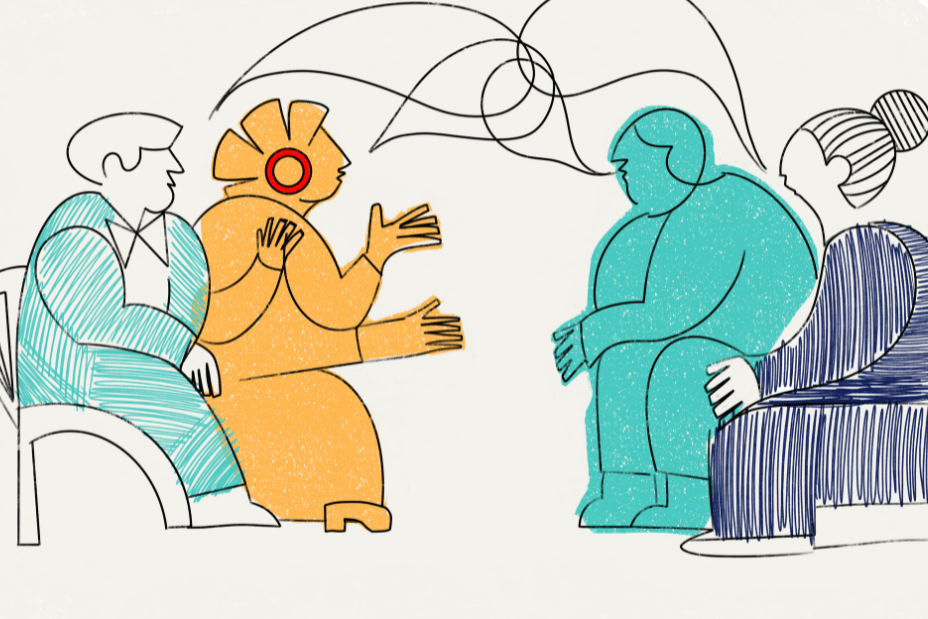
Using art as a method of expression and representation can also help capture experiences in a way words alone cannot, which is why State of the South continues to uphold a long-standing tradition of using art as a form of resistance and messaging. Whatever the method, supporting each other and continuing to advance equity in the South is critical at a time when this concept is under attack: those of us who are in a position to take action to advocate for equitable policies and practices must do so, especially as others may face hurdles and limitations on their ability to speak out.
“When we lift each other up, when those of us who have been doing the heavy lifting for so long, when our arms get tired – it doesn’t mean the game is over. It means somebody else has to pick up the ball.” – Kamilah Pickett
Conclusion
We concluded the Community webinar by lifting up the recommendations from the Call to Action section of the 2025 State of the South Report. To learn more and get involved, check out the Call to Action, and let us know how you’d like to join us in the work to build a thriving South.
- Download our Webinar Resource Guide (links to data, research and narratives about the issues)
- Watch our Webinar Highlight Reel (covering key data, report author perspectives, and what we can do next)
ABOUT STATE OF THE SOUTH
MDC’s State of the South program aims to build knowledge and collective power in the South by forging and deepening connections between communities, artists, nonprofit leaders, policy makers, and funders working on shared issues. We do this by sharing regional data and amplifying effective policies and strategies, hosting issue-focused convenings across the region, and investing in Southern art and storytelling.
Read the 2025 State of the South Report. To get connected with State of the South, reach out to Cate Elander, State of the South Program Director, at [email protected].


